Profile Settings
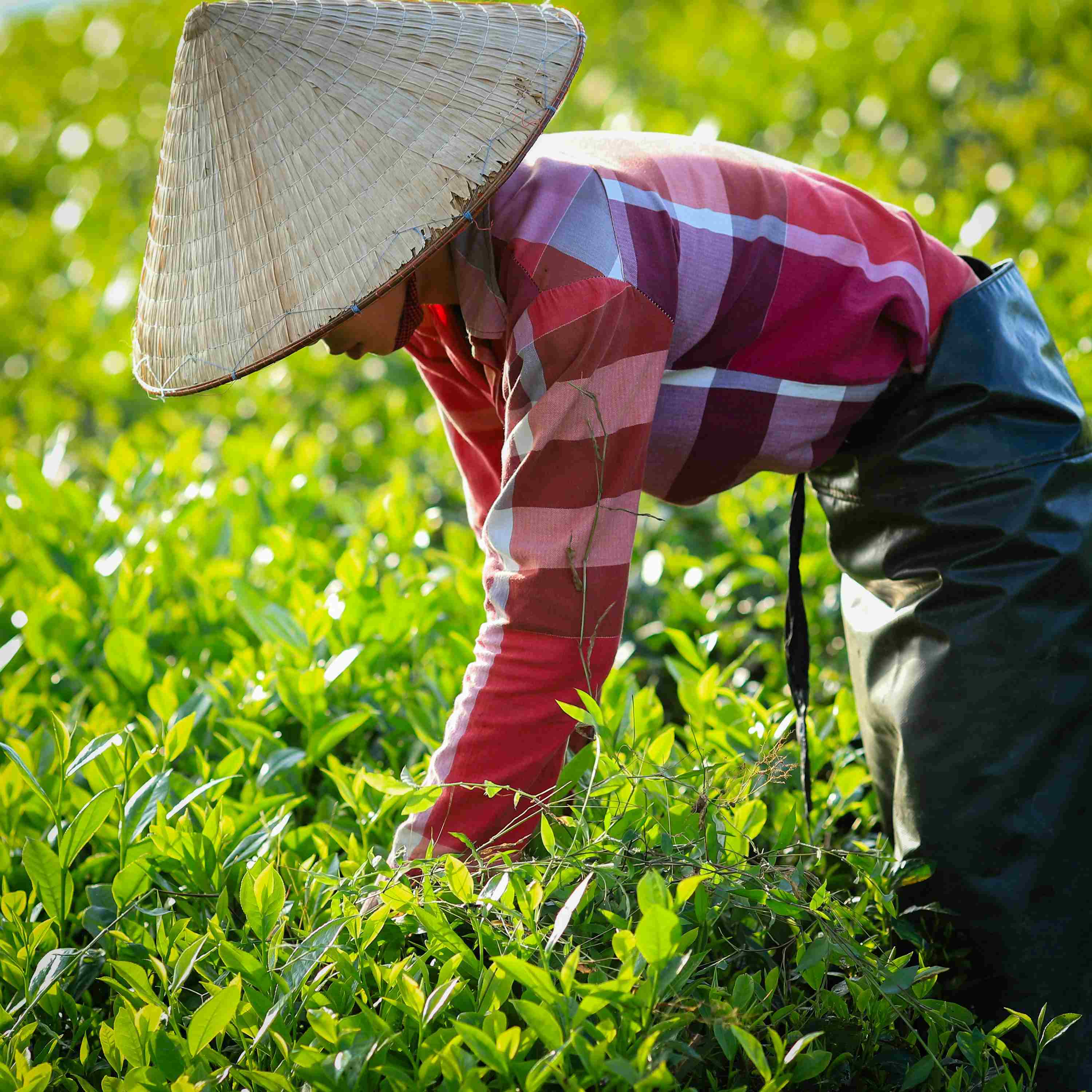
Over 58% of India's population depends on agriculture. Farmers are the backbone of our nation.
Farming feeds nations, creates livelihoods, and sustains civilizations. Every farmer is a silent warrior who wakes up before sunrise, works till sunset, and ensures that no one goes to bed hungry.
"The farmer is the only man in our economy who buys everything at retail, sells everything at wholesale, and pays the freight both ways."
— John F. Kennedy
Farming impacts every aspect of our lives
Provides nutritious food for the entire population
Largest source of livelihood in rural India
Drives rural economy and industrial raw materials
Maintains ecological balance and green cover
People to feed daily
Population depends on farming
Hectares cultivated land
Largest farm producer globally
Without farming, there would be no food. Without food, there is no life. Farming is not an option - it's a necessity for human survival. Every grain of rice, every vegetable, every piece of fruit comes from the hard work of farmers.
As the global population grows to 9.7 billion by 2050, farming will become even more critical. We need 70% more food production to feed the world.
From Indus Valley to Green Revolution to Digital Farming
Earliest evidence of farming in India. Cultivation of wheat, barley, cotton, and dates. Domesticated cattle, sheep, and goats.
Advancement in irrigation, crop rotation, and use of manure. Rice and sugarcane cultivation began.
Introduction of new crops like tobacco, maize, and indigo. Advanced irrigation systems (canals, wells).
Introduction of high-yield variety seeds, fertilizers, and modern equipment. India became self-sufficient in food grain production.
AI, IoT, drones, and mobile apps transforming agriculture. Precision farming, eNAM, and agri-tech platforms like AgriBot.
Different farming practices across our diverse nation
Majority of Indian farmers practice this. Growing food primarily for family consumption with little surplus for sale. Found in rain-fed and remote areas.
Large-scale crop production for sale in markets. Cash crops like sugarcane, cotton, wheat, and rice. Uses modern equipment and technology.
No chemical fertilizers or pesticides. Uses natural compost, manure, and biological pest control. Growing rapidly due to health awareness.
Uses GPS, sensors, and AI to optimize water, fertilizer, and pesticide use. Data-driven decisions for maximum yield with minimum input.
Relies on canals, tube wells, and dams. Allows multiple crops per year. Common in Punjab, Haryana, and Western UP.
Depends entirely on monsoon rains. Practiced in dry regions like Rajasthan, Maharashtra, and parts of Karnataka. High risk but essential.
Understanding problems to find better solutions
Understanding the impact on health, environment, and yields
Best Approach: Integrated farming - using organic methods with minimal, targeted chemical use for optimal results.
Farmers are on the frontline of climate change
Heat stress reduces wheat and rice yields by 10-15%. Every 1°C rise cuts production by 6-8%.
Unpredictable rainfall causes droughts or floods. 60% of Indian farms depend on monsoon.
Cyclones, hailstorms, and unseasonal rains destroy standing crops instantly.
India is the world's largest producer of milk, producing over 200 million tonnes annually.
India is the largest producer, consumer, and exporter of spices in the world.
India is the 2nd largest fish producer and 2nd largest agricultural land holder globally.
Every meal you eat is a blessing from a farmer's hard work.